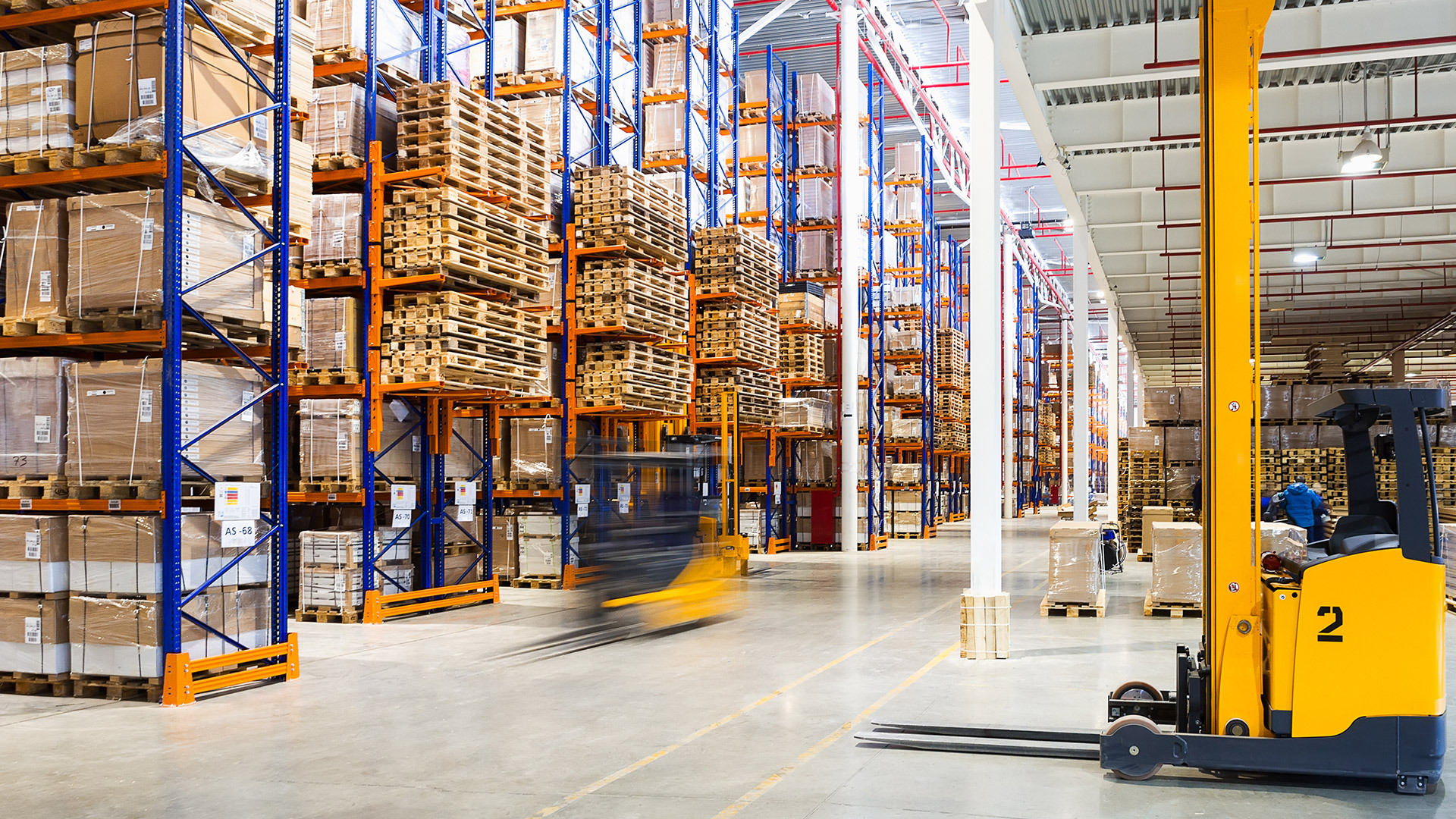
Some warehouses just seem to run better than others. Orders move quickly, staff know where they need to be and equipment is used efficiently. In other places, delays build up, space feels tight and simple tasks take longer than they should. The difference is not always down to size or budget. It often comes down to how the warehouse is set up and managed day to day.
In this blog, we’ll look at the main reasons some warehouses run smoother than others and what businesses can do to improve their setup.
Clear Layout and Traffic Flow
A well-planned layout makes a huge difference in daily operations. When routes are clearly marked, forklifts can move without unnecessary stops. This helps reduce congestion and keeps work flowing. Simple changes like one-way systems can improve movement across the warehouse. Clear walkways also help keep staff safe around vehicles.
Poor layouts often lead to delays and confusion. Forklifts may need to reverse more often or wait for space. This slows everything down and increases risk.
Keeping routes open and easy to follow helps maintain a steady pace throughout the day.
The Right Forklift Equipment for the Job
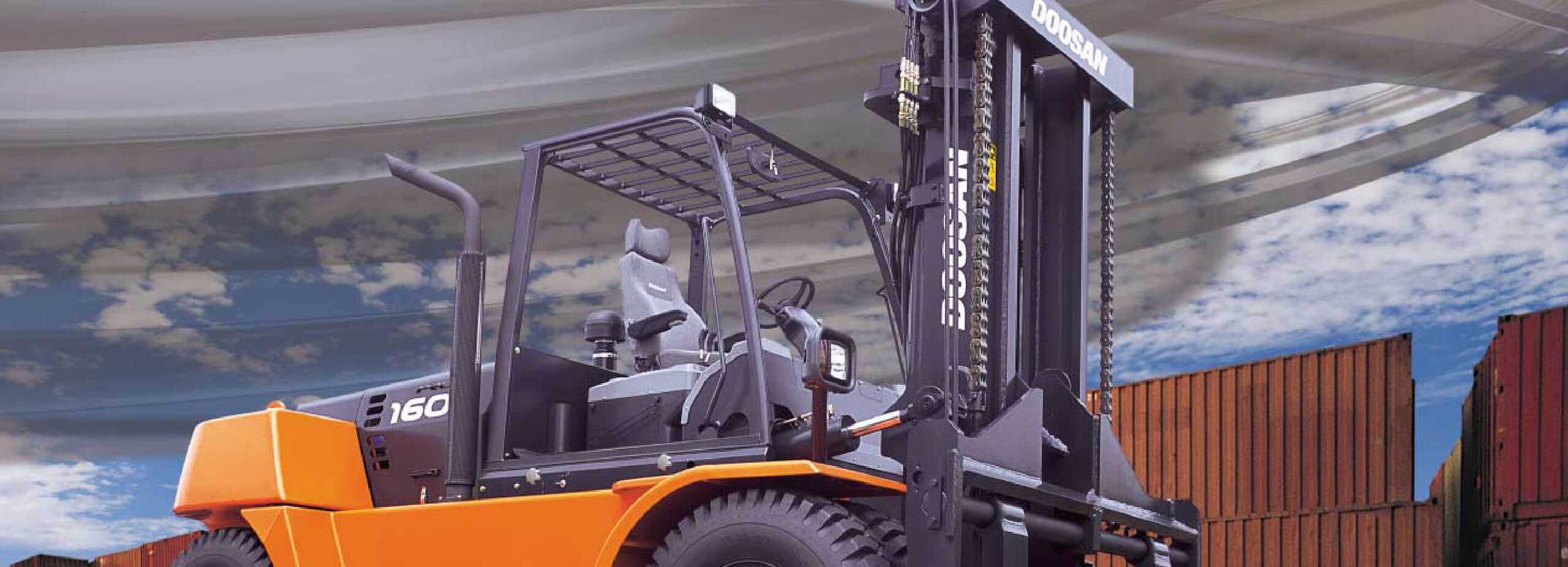
Using the right forklift for the space can improve efficiency straight away. Different warehouses need different types of trucks. For example, narrow aisle forklifts suit tighter spaces, whilst larger trucks work better in open areas. Choosing the right equipment helps operators move goods more easily.
The wrong equipment can cause problems without people realising it. Warehouse forklifts may struggle to turn or lift safely in certain areas. This can slow down tasks and create avoidable risks.
Regular Maintenance and Reliable Equipment
Breakdowns can bring warehouse operations to a stop. Even a short delay can affect picking, loading and delivery times. Keeping forklifts well maintained helps reduce the risk of unexpected issues. Regular checks and servicing keep equipment safe and ready to use.
Reliable equipment also gives operators more confidence in their work. They can focus on tasks without worrying about faults or delays.
Trained Operators and Good Communication
Skilled operators play a vital role in how smoothly a warehouse runs. Proper training helps them handle equipment safely and work more efficiently. They are more likely to spot issues early and avoid mistakes. This helps reduce delays and keeps operations moving.
Clear communication is just as important. Staff need to know where stock is going and what tasks come next. Simple systems and clear instructions help avoid confusion.
When everyone understands their role, the whole operation becomes more organised.
Smart Use of Space and Storage Systems
Making good use of space helps everything run more efficiently. When stock is stored in a clear and organised way, it is easier to find and move. Racking systems should suit the type of goods being handled. This helps reduce unnecessary handling and saves time during picking.
Poor storage can slow down even simple tasks. Items may be hard to reach or placed in the wrong areas. This leads to delays and extra movement across the warehouse. Keeping storage logical and easy to follow supports a smoother daily workflow.
Adapting to Demand and Busy Periods
Workloads can change quickly in many warehouses. Busy periods can put extra pressure on staff and equipment. Being able to adapt makes a big difference. This might include bringing in extra forklifts or adjusting how tasks are managed.
Without flexibility, operations can become overwhelmed. Delays build up and productivity drops. Planning for peak periods helps keep things under control.
Having the right support in place allows warehouses to stay efficient even when demand increases.
Warehouses that run smoothly do not happen by chance. They are built on good planning, the right equipment and clear processes. Small improvements in layout, training and maintenance can make a big impact over time.
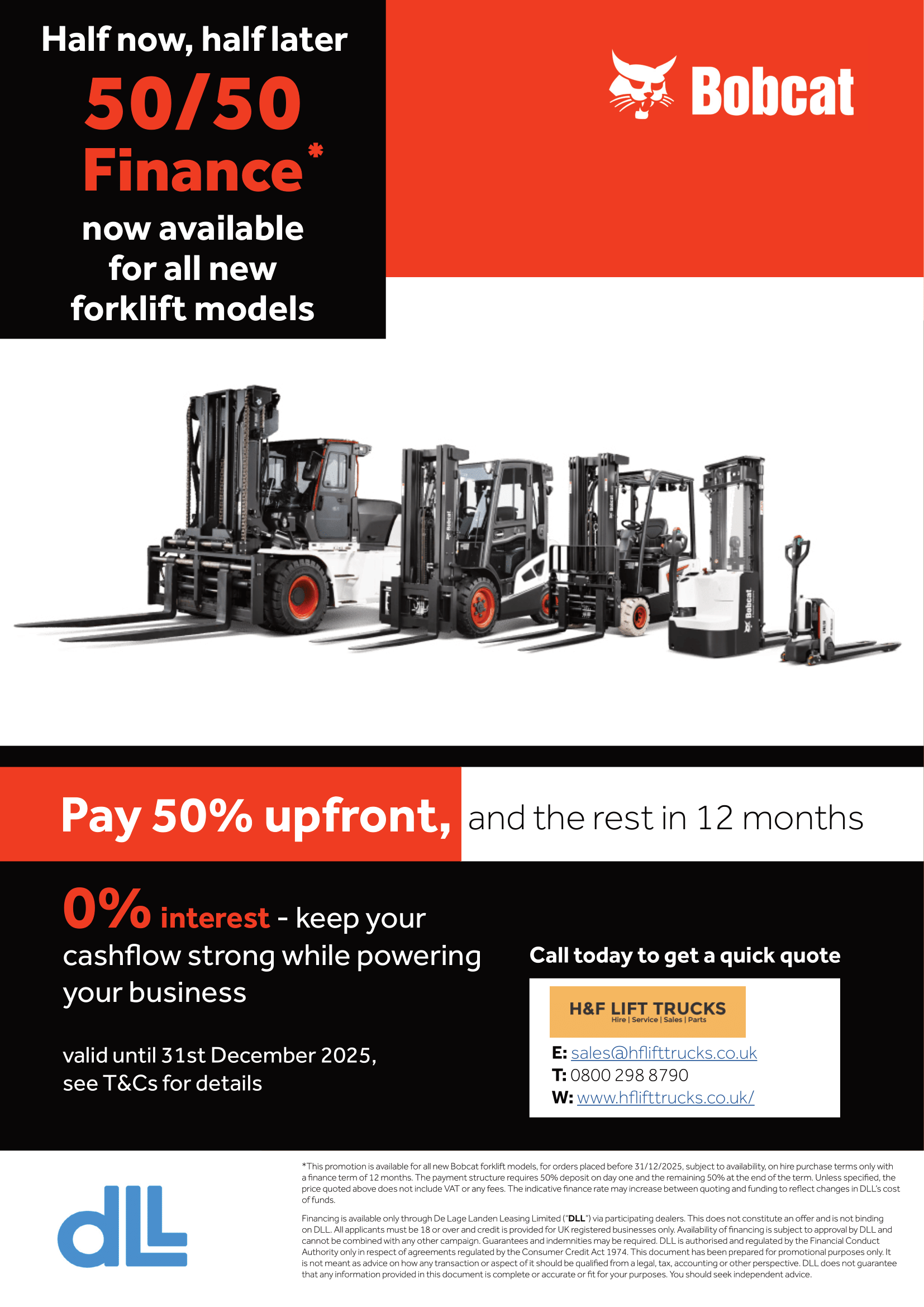
If you are looking to improve how your warehouse operates, the right support can help. Contact H&F Lift Trucks today to find out how we can support your equipment needs and keep your operations moving.
 H&F Lift Trucks