Forklifts deal with heavy workloads every day. Over time, regular wear can affect how safely and efficiently they operate. Small issues can quickly turn into bigger problems when parts are not checked properly. This can lead to breakdowns, delays and unnecessary repair costs.
Regular inspections help keep forklift trucks reliable and safe to use. They also help businesses avoid unexpected downtime during busy periods. Some parts need closer attention than others, especially in fast-moving warehouse environments.
In this blog, we’ll look at seven forklift parts you should check regularly and why they matter.
Forks and Carriage
The forks handle the full weight of every load. Damage to this area can affect lifting safety very quickly. Regular checks help spot cracks, bending and worn fork tips before they become serious problems. Operators should also look for signs of uneven wear across both forks.
The carriage should also be inspected for loose or damaged parts. Problems in this area can affect stability whilst lifting or lowering goods.
Even small issues can place extra strain on the forklift during daily use.
Tyres and Wheels
Forklift tyres go through constant pressure on warehouse floors and outdoor surfaces. Over time, they can wear down and lose grip. Worn tyres can affect braking, steering and overall stability. This becomes more noticeable when carrying heavier loads.
Regular tyre checks help spot cuts, damage and uneven wear early. Correct tyre condition also helps forklifts move more smoothly around tight spaces. Ignoring tyre problems can increase the risk of accidents and unnecessary downtime.
Brakes and Steering
Reliable brakes are essential in busy warehouse environments. Forklift operators often work around stock, shelving and other vehicles throughout the day. Slow or unresponsive brakes can quickly create safety risks. Any unusual noises or changes in stopping distance should be checked immediately.
Steering should also feel smooth and controlled during operation. Difficulty turning or handling tight spaces may point to underlying issues. These problems can make daily tasks harder and less efficient.
Regular checks help keep forklifts safe and easier to control.
Mast and Lift Chains
The mast and lift chains support loads during lifting and lowering. These forklift parts deal with constant movement throughout the working day. Over time, chains can loosen and components may begin to wear down. Rust, damage and poor tension can affect lifting performance.
Regular inspections help spot early signs of wear before they become serious. Operators should also look for unusual movement or sounds whilst lifting. Problems with the mast can place extra strain on the forklift.
Hydraulics and Fluid Leaks
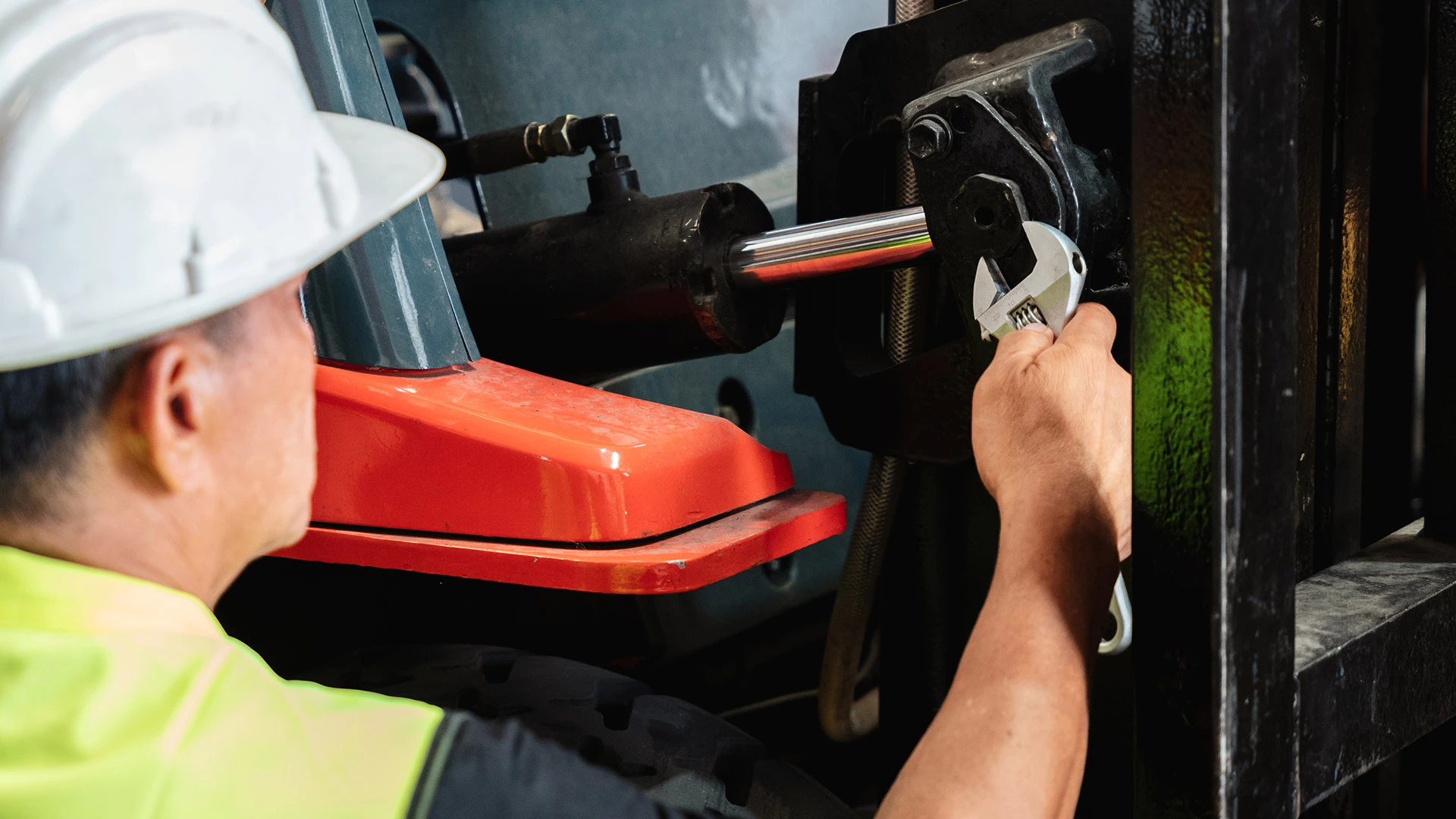
Hydraulic systems help forklifts lift and lower loads safely. Hoses, seals and connectors can wear down over time through regular use. Small leaks may seem minor at first, but they can quickly lead to bigger problems. Low hydraulic fluid can also affect lifting performance and reliability.
Regular checks help identify leaks before they cause downtime or safety issues. Operators should look for fluid around hoses or underneath the truck. Strange lifting movements can also point to hydraulic problems.
Battery or Engine Components
Forklifts rely on dependable power throughout the working day. Electric trucks need regular battery checks to help avoid charging problems or poor performance. Loose connections and low battery levels can affect reliability during busy periods. Clean battery terminals also help equipment operate more efficiently.
Diesel and LPG forklifts also need regular engine checks. Fluid levels, filters and fuel systems should be inspected properly. Ignoring small issues can lead to breakdowns and costly repairs later on.
Lights, Horns and Safety Features
Forklift safety features help protect both operators and nearby staff. Lights and warning signals improve visibility in busy warehouse areas. Faulty horns or alarms can make it harder to warn others about moving vehicles. This increases the risk of accidents during daily operations.
Seatbelts, mirrors and reversing alarms should also be checked regularly. Small faults can easily go unnoticed without routine inspections. Working safety features help operators feel more confident whilst using equipment.
Regular forklift checks help businesses avoid downtime, reduce repair costs and improve workplace safety. Small problems are often easier and cheaper to fix early. Keeping equipment properly maintained also helps forklifts perform more reliably each day.
If you need support with forklift servicing, repairs or equipment solutions, contact H&F Lift Trucks today to find out how we can help keep your operations moving.
 H&F Lift Trucks