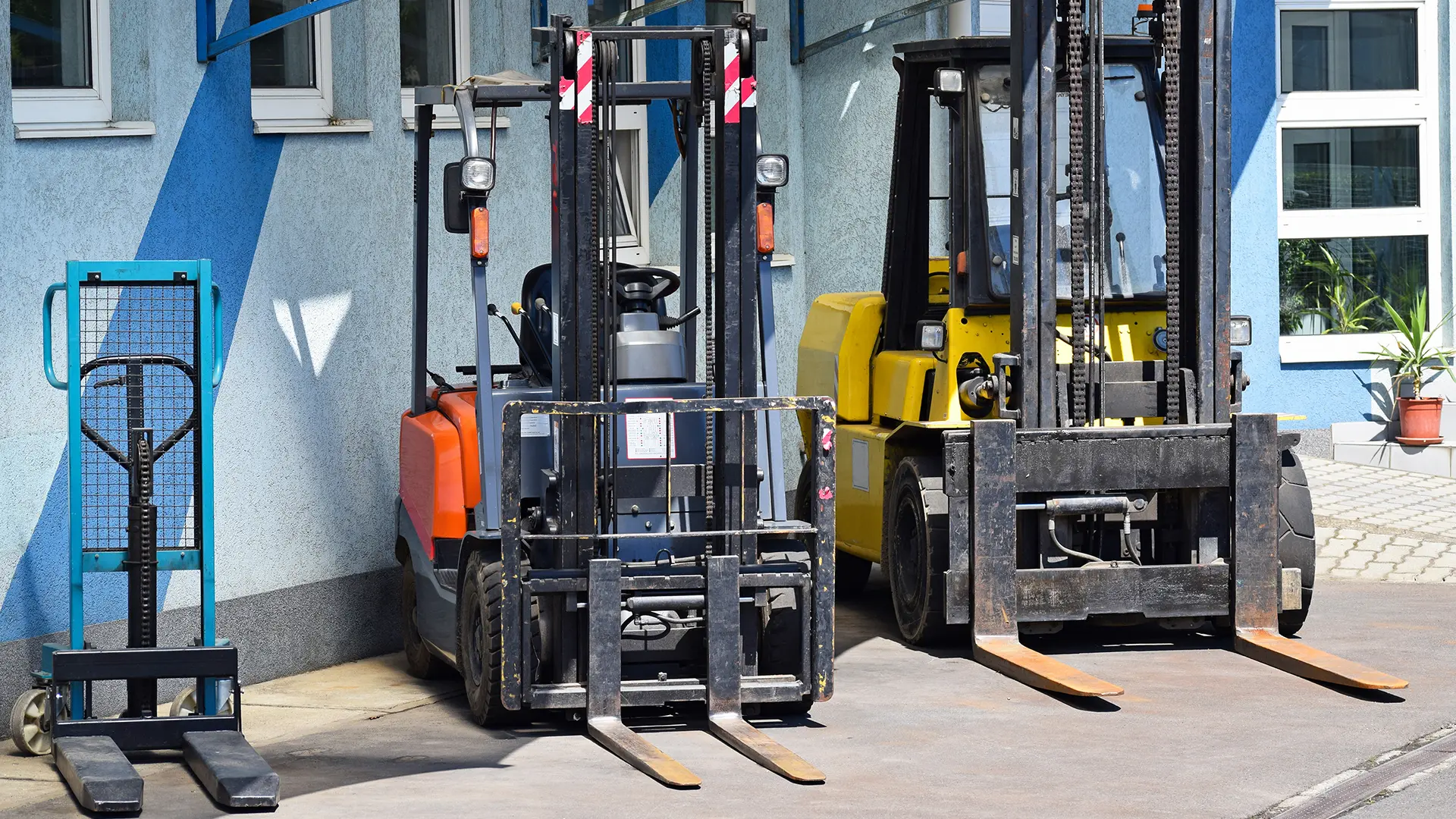
At first glance, most forklifts look similar, so it’s easy to assume one truck can handle everything. In reality, every workplace places different demands on its equipment. Warehouse layouts, lift heights, ground conditions and load types all affect what will actually perform well day to day. A truck that works perfectly in one setting can quickly become inefficient in another.
In this blog, we’ll uncover why one forklift rarely fits every job and what that means for growing businesses.
Different Workspaces Demand Different Trucks
Space plays a huge role in choosing the right forklift. Tight warehouse aisles call for compact trucks with a smaller turning circle, whilst open yards allow for larger, heavier machines. If you try to use a bulky outdoor truck in narrow aisles, you’ll soon notice the limits. It slows movement and makes simple tasks harder than they need to be.
The opposite is just as true. A smaller warehouse truck may struggle outside, especially if the ground is uneven. What works well on a smooth concrete floor won’t always cope with gravel or rough surfaces.
Matching the truck to the environment keeps work moving and reduces unnecessary strain on the equipment.
Lift Height and Racking Change the Equation
How high you need to lift matters just as much as where you’re working. Standard counterbalance trucks suit ground-level work and moderate stacking. Once you start dealing with high racking, though, you need a truck built for that purpose. Reach trucks, for example, are designed to operate safely at greater heights.
Lifting higher changes stability, visibility and control. Using the wrong truck can limit how much stock you can store vertically, which affects overall capacity. Choosing equipment that suits your racking layout helps you make better use of space without increasing risk.
Growing Businesses Often Need More Than One Option
As businesses expand, their material handling needs tend to shift. What worked well in the early days may not cover new racking layouts, higher volumes or outdoor storage areas. Relying on a single truck can create bottlenecks when demand increases or workloads vary.
Many sites operate more efficiently with a small mix of equipment. One truck may handle yard work, whilst another focuses on warehouse aisles. Short-term hire can also help cover seasonal peaks or specific projects without committing to a permanent addition. Flexibility often leads to better performance overall.
The Type of Load Makes a Real Difference
Not every load is a standard pallet wrapped and ready to move. Some businesses handle long materials such as timber or pipe, whilst others deal with unusually heavy or fragile goods. A forklift that works well for boxed stock may not suit awkward shapes or uneven weight distribution.
In these cases, the truck’s design and any attachments become important. Using the wrong setup can slow loading times and increase the risk of damage.
When the equipment fits the load properly, handling becomes smoother and more controlled, which helps protect both stock and staff.
Indoor and Outdoor Work Are Very Different
Indoor environments are usually built around smooth floors and tighter layouts. Electric trucks are often better suited to these conditions, where manoeuvrability and emissions matter. Clear sightlines and predictable surfaces make certain models more practical.
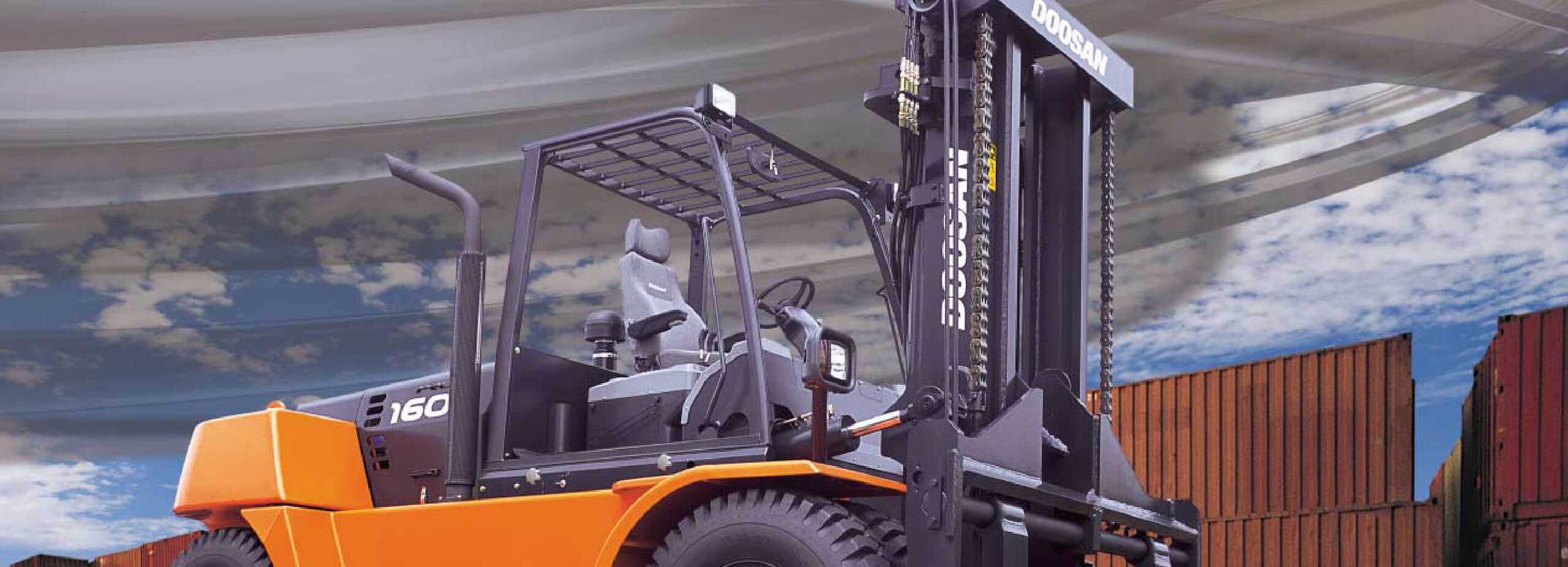
Outdoor work presents a different set of challenges. Uneven ground, weather and heavier loads all influence performance. A truck designed for warehouse use may wear out faster if used constantly outside. Choosing forklifts for sale that are suited to the setting helps avoid unnecessary downtime and maintenance issues.
Picking the right forklift comes down to matching the truck to the job, not expecting one machine to do everything. When equipment suits the space, the load and the working conditions, operations run more smoothly and safely. If you’re unsure which setup fits your site, speak to our team today.
At H&F Lift Trucks, we have an extensive selection of brand new and used forklifts, perfect for your operational needs.
 H&F Lift Trucks