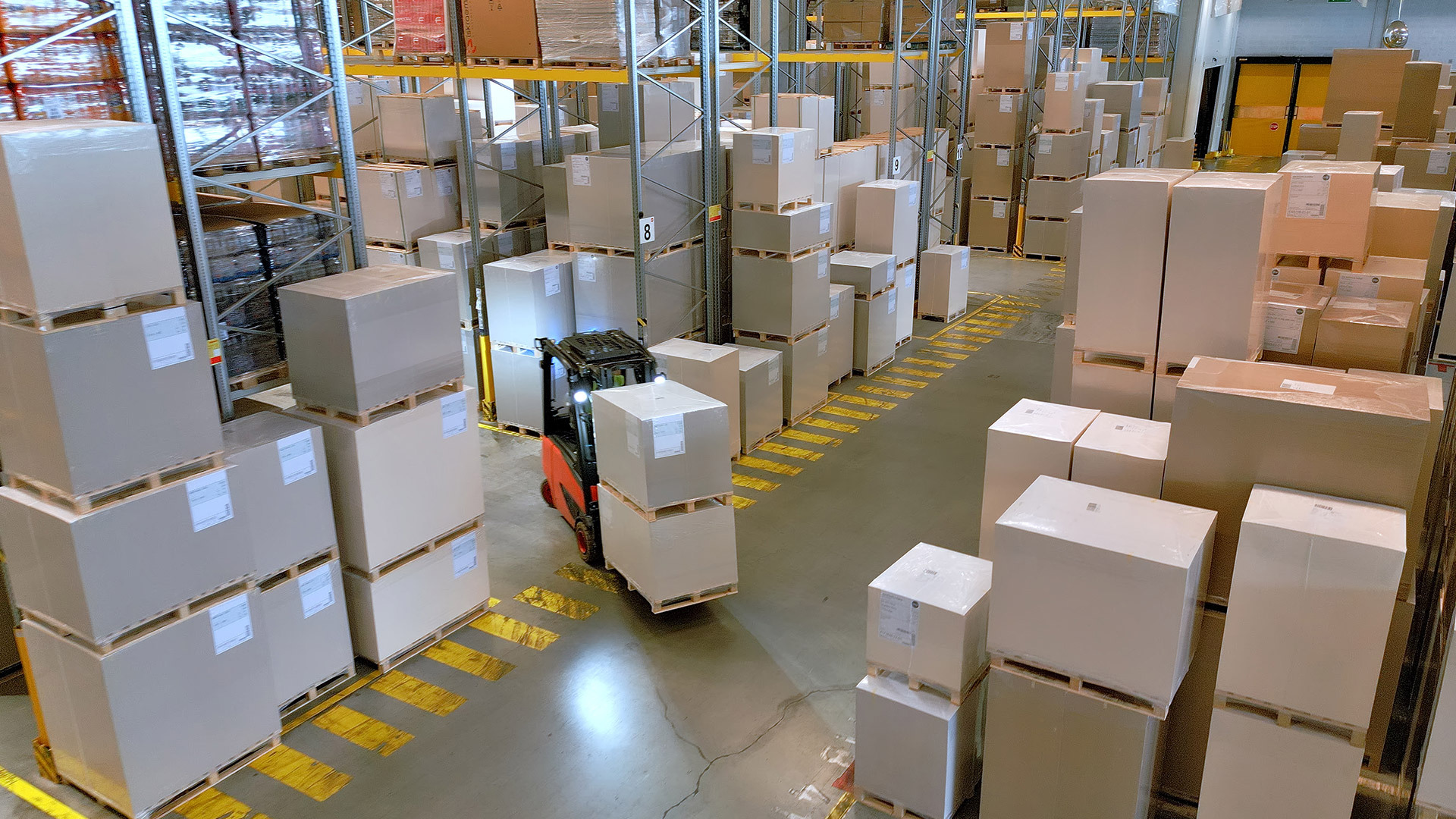
Warehouses are under growing pressure to move goods faster, handle higher volumes and make better use of limited space. Rising costs and tighter turnaround times are changing how stock is stored and handled day to day. In many cases, the setups that worked a few years ago no longer fit the way warehouses now operate.
These changes are having a direct impact on forklift requirements. Aisles are narrower, racking is higher and equipment is often expected to work harder across longer shifts.
In this blog, we’ll look at how evolving warehousing demands are shaping forklift choice and why taking a closer look now can help businesses plan more effectively and avoid issues later on.
Warehouses Are Moving More Goods, More Often
Order volumes have increased across many sectors, while customer expectations continue to tighten. Same-day and next-day fulfilment leave little room for delays once work is underway. As a result, forklifts are expected to stay in constant use throughout the shift.
This puts greater pressure on reliability. Trucks need to perform consistently without frequent breakdowns or unplanned stops. When equipment goes down, picking slows, queues build and deadlines are missed. Choosing a forklift truck that copes well with sustained use helps keep operations moving and disruption to a minimum.
Space Is Being Used Differently Than Before
Warehouse space has become more expensive, which is pushing businesses to make better use of what they already have. Higher racking and narrower aisles are now common, especially in busy storage and fulfilment sites. This allows more stock to be held without expanding the footprint.
Warehouse layouts affect the type of forklifts that work best. General-purpose trucks may struggle in tighter spaces or at greater heights. Many operations now rely on more specialist equipment designed for narrow aisles, higher lifts and controlled handling.
Narrow Aisles and Higher Racking Change Truck Design Needs
Tighter layouts leave little margin for error. Forklifts now need to lift safely at greater heights while staying stable in narrow aisles. Poor balance or limited reach can quickly lead to delays or damage. There’s also a real risk of an accident occurring in your warehouse too.
Visibility and manoeuvrability also matter more than before. Operators must place loads accurately in confined spaces, often several metres above the floor. Trucks designed for these conditions help improve confidence, reduce risk and support steady day-to-day work.
Electric Fleets Are Becoming the Standard Indoors
More warehouses are choosing electric forklifts for indoor use. They run cleanly, produce less noise and suit enclosed environments where air quality matters. This makes them a practical option for busy picking and storage areas.
Electric trucks also offer smooth, controlled handling. That level of control supports precise movements in tight spaces and at height. For many indoor operations, electric fleets now meet both performance and working environment needs.
Battery Expectations Are Shifting with Longer Operating Hours
Longer shifts and extended operating hours are now common in many warehouses. Forklifts are often expected to stay in use with fewer natural breaks during the day. This places greater focus on uptime and how energy is managed across each shift.
Charging needs to fit around operations rather than interrupt them. If trucks are off the floor too often, productivity suffers. Planning battery use carefully helps keep equipment available when it is needed most.
Automation Is Influencing Forklift Planning
Automation is playing a bigger role in how warehouses plan their fleets. Some sites now use automated trucks for repeat tasks, while others mix manual and semi-automated equipment. Even where automation is limited, it still shapes long-term decisions.
This means forklift choices are often made with the future in mind. Layouts, safety systems and traffic flow must support different types of equipment working side by side. Thinking ahead helps avoid costly changes later on.
Warehousing demands will continue to change as volumes grow, space tightens and expectations rise. Forklift requirements need to change with them to support safe, efficient day-to-day work. Taking time to review fleet suitability now can help prevent issues later.
If you need support with choosing, servicing or maintaining the right equipment, H&F Lift Trucks are here to help with practical advice you can rely on.
 H&F Lift Trucks