Forklifts play an important role in keeping warehouses, factories and other workplaces running efficiently. However, as businesses grow and their operations change, their existing equipment may no longer meet their needs.
Recognising when your forklift fleet is struggling to keep up can help prevent delays, improve productivity and support future growth. At H&F Lift Trucks, we understand how important it is to have the right equipment for your operations.
In this blog, we’ll explore seven signs your business may have outgrown its current forklift fleet.
1. Your Forklifts Are Breaking Down More Often
Frequent breakdowns can disrupt daily operations, particularly when businesses rely on forklifts to move goods and complete important tasks. As equipment ages, certain components may become more prone to wear and mechanical problems.
Whilst regular servicing can help maintain reliability, repeated faults shouldn’t be ignored. Businesses should keep track of breakdowns and identify whether the same problems are occurring regularly.
If forklifts are spending more time out of action, it may be worth considering whether repairs are sufficient or replacement equipment is needed.
2. Maintenance and Repair Costs Are Increasing
All forklifts require regular maintenance, but repair costs can increase as equipment gets older. Replacing worn components and addressing recurring faults can become expensive, especially when several trucks need attention.
Businesses should consider these costs alongside each forklift’s age, condition and overall reliability. Keeping an older truck running isn’t always the most economical option.
Reviewing maintenance records and repair expenses can help businesses decide whether continuing to repair existing forklifts makes financial sense or if investing in replacement equipment would be more practical.
3. Your Fleet Can’t Keep Up with Daily Demand
As businesses grow, increased orders, longer working hours and busier schedules can place additional pressure on existing forklifts. A fleet that once handled daily tasks comfortably may struggle to manage the same workload as demand increases.
Operators might find themselves waiting for an available forklift, causing delays in loading, unloading and moving goods around the workplace.
If these delays become a regular occurrence, your business may benefit from additional forklifts or equipment better suited to its current workload.
4. Your Lifting Requirements Have Changed
Business growth can bring changes to the types of goods being handled. Heavier loads, larger pallets or increased storage heights may mean your existing forklifts are no longer suitable for certain tasks.
Every forklift has a rated lifting capacity that operators must follow. Factors such as load dimensions, lift height and attachments can also affect how much weight a truck can safely handle.
If your lifting requirements have changed, reviewing your fleet can help ensure you have suitable equipment for the work being carried out.
5. Your Warehouse Layout Has Changed
Expanding your warehouse, installing new racking or changing aisle widths can affect how easily forklifts move around the workplace. Equipment that previously worked well may become less practical following these changes.
For example, narrower aisles can make it harder for larger forklifts to turn and manoeuvre safely. Changes to storage heights may also require trucks with different lifting capabilities.
Reviewing your forklift fleet following a layout change can help ensure your equipment remains suitable for the available space and daily tasks.
6. Your Operators Are Struggling with the Equipment
Operators may experience difficulties when forklifts are no longer suited to the tasks they’re carrying out. Restricted visibility, awkward manoeuvring and unsuitable controls can make everyday work more challenging.
These issues can affect productivity and increase the risk of accidents, particularly in busy workplaces where forklifts operate alongside pedestrians and other vehicles.
If operators regularly report difficulties, it’s worth reviewing whether the equipment meets their needs. Suitable training and the right type of forklift can help improve safety and efficiency.
7. Your Fleet Is Holding Back Business Growth
Taking on new customers, increasing stock levels or expanding into new premises can change what your business needs from its forklift fleet. Equipment that supports current operations may not be suitable for future plans.
For example, introducing additional shifts could mean forklifts are needed for longer periods, leaving less time for charging, maintenance or repairs.
Planning ahead can help businesses identify whether their existing fleet can support future demand or if additional equipment will be needed.
Outgrowing your forklift fleet doesn’t necessarily mean replacing every truck. Reviewing your equipment’s condition, reliability and suitability can help you identify where improvements may be needed.
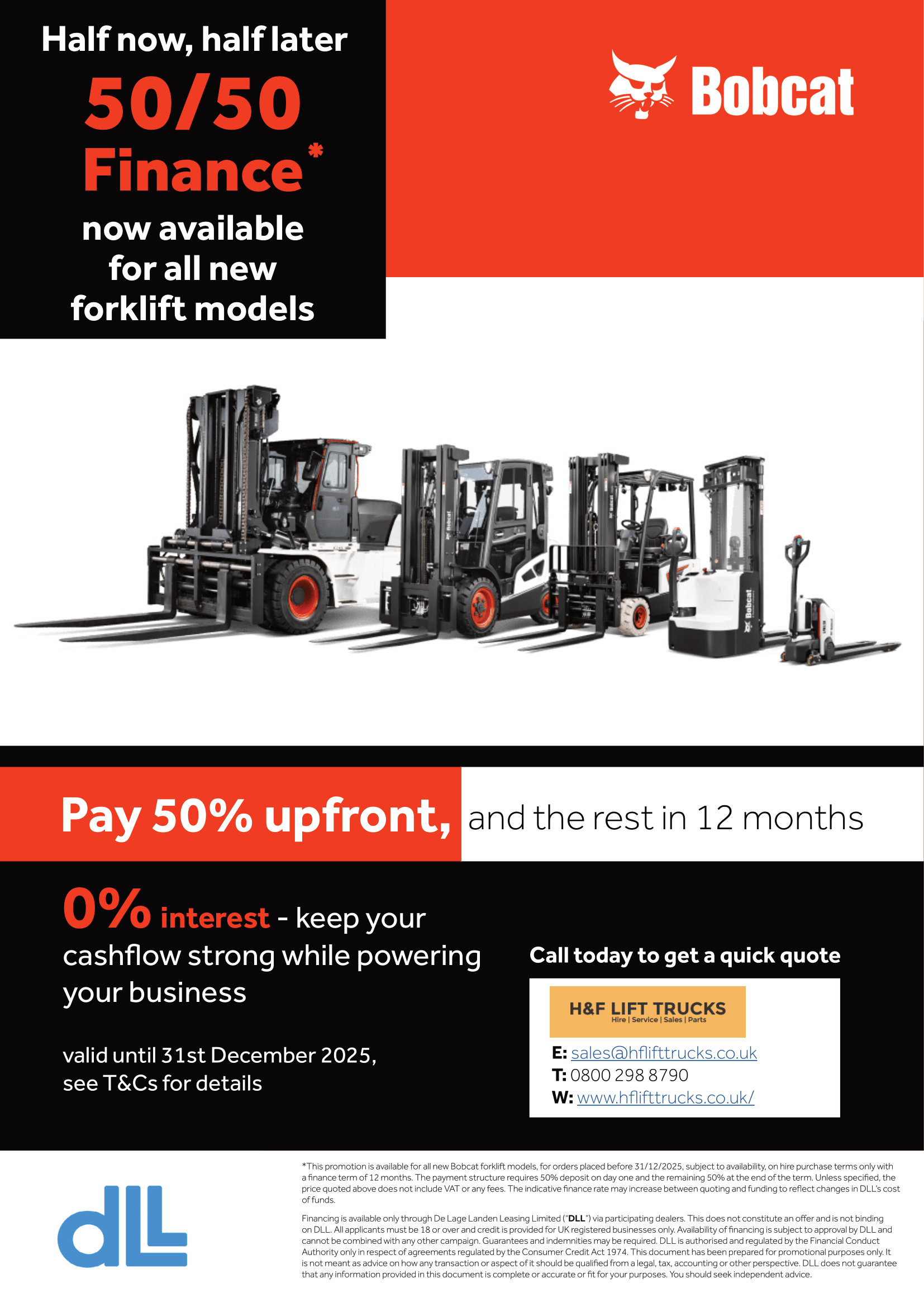
At H&F Lift Trucks, we offer new forklifts, used forklifts, hire options, servicing and repairs to support your business’s changing requirements.
Whether you’re looking to expand your fleet or replace existing equipment, get in touch with our team today to discuss your forklift needs.
 H&F Lift Trucks